
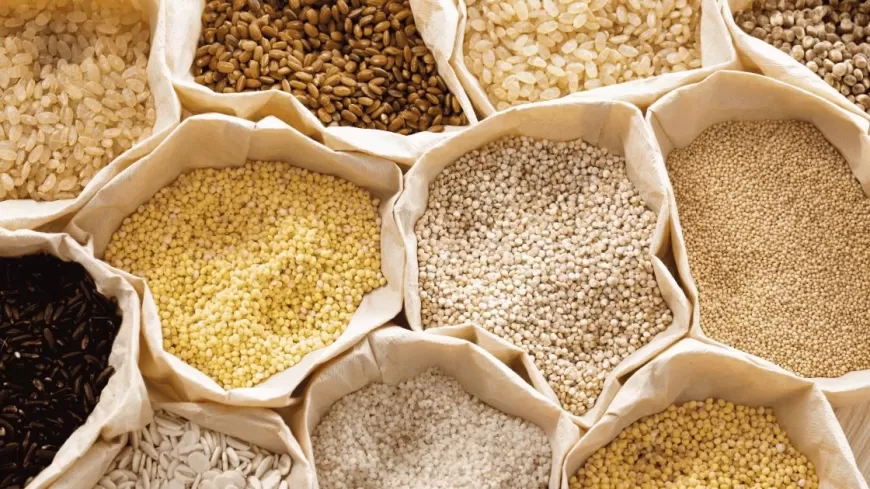
India's food consumption patterns have been recognized as the most sustainable among G20 countries, according to the World Wildlife Fund (WWF) in its latest Living Planet Report. The report suggests that if the world were to follow India's food habits by 2050, it would greatly reduce the negative impact on the climate. In comparison, countries like Argentina, Australia, and the United States are ranked among the worst in terms of sustainability.
India’s Sustainable Food Practices Highlighted
The WWF report emphasizes that if global food consumption followed the patterns of major economies, the planet would face a dramatic increase in food-related greenhouse gas emissions. However, India's millet-focused diet is presented as a positive exception. The report estimates that adopting India's food model globally would require less than one Earth (0.84) to sustain food production by 2050, which is within the limits of the planet's climate boundaries for food.
Global Comparison of Food Consumption
While India is praised for its sustainable food habits, other countries rank poorly. Argentina would need 7.4 Earths to support its current food consumption patterns, while Australia would need 6.8, the United States 5.5, and Brazil 5.2. On the better end of the scale, Indonesia (0.9), China (1.7), Japan (1.8), and Saudi Arabia (2) perform more favorably in terms of sustainable food consumption.
Millets as a Key to Climate Resilience
India’s National Millet Campaign, which promotes the consumption of these climate-resilient and nutritious grains, has been highlighted as a major factor in the country's sustainable food system. The report encourages the world to adopt more sustainable diets, such as consuming millets, legumes, and plant-based proteins, to reduce the land needed for food production and help combat climate change.
In conclusion, WWF's report positions India's food habits as a global example for sustainable living, urging other nations to follow suit to achieve climate goals and restore ecological balance.